
~ Mark Payne
Teaching Coordinator
\ 
As you know, all students at KCIS participate in our tailor-made STEM program, Kang Chiao Future Skills (KCFS). In this program, they work together on a wide range of exciting and challenging projects and have lots of fun finding solutions to real-world problems.
Whether it’s building bridges, launching rockets, dealing with oil spills, or constructing an amazing roller-coaster, students work together collaboratively to achieve their goals-learning a lot and gaining crucial skills along the way.
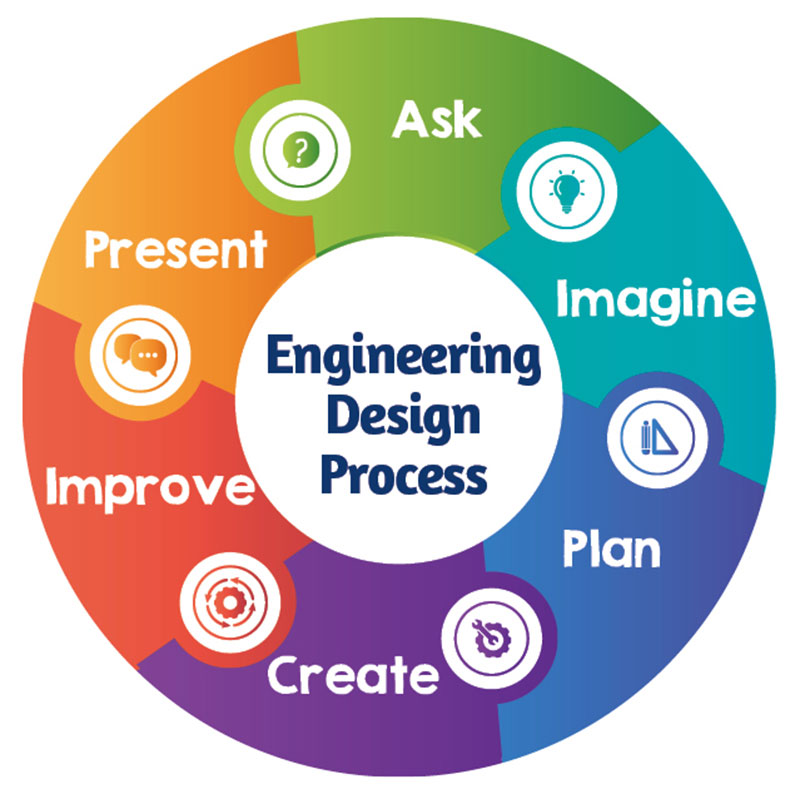
In KCFS classes, students don’t just learn facts from a textbook — they think, design, test, and build. At the heart of our program is the Engineering Design Process, a simple and effective way to help students tackle challenges like real scientists and engineers.
The Engineering Design Process has five key steps: Ask, Imagine, Plan, Create, and Improve. Every KCFS project follows these steps.
The first step is Ask. Students begin by identifying the problem they need to solve, such as providing safe, clean drinking water in the Water Filter project. At this stage, they ask questions like, “How can we clean water?” and “What material would work best?” Asking questions encourages curiosity and helps students define their goal.
Next comes Imagine. This is the brainstorming stage, where students share their ideas freely. Team members listen to each other and build on one another’s suggestions. They might sketch their ideas, look at examples, or research how others have solved similar problems. Then they brainstorm a range of potential solutions. This step teaches creativity and open-mindedness.
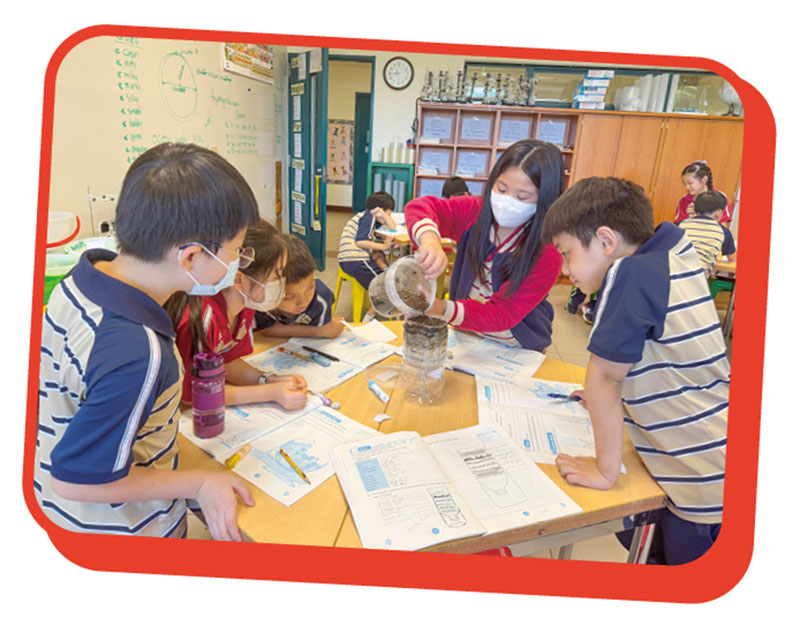
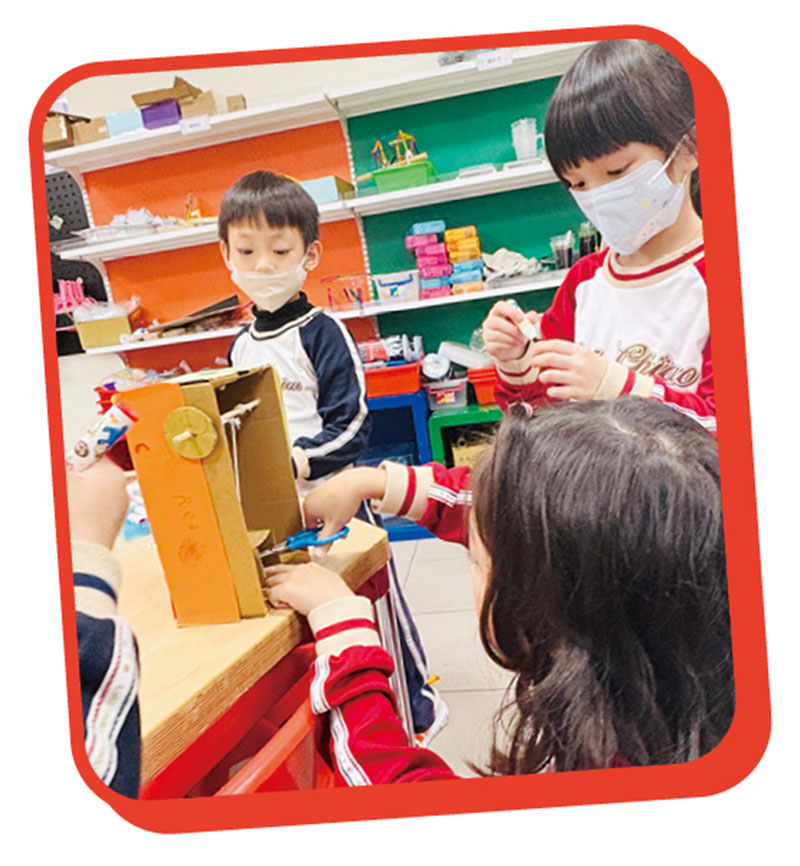
Once they have many ideas, students move to Plan. Here, they select the best idea and design a step-by-step plan to build their project. They might draw detailed blueprints, list materials, or assign roles within the team. Planning helps students think, organize, and communicate clearly with teammates.
Then it’s time to Create! This is the exciting part where students bring their designs to life. Using various materials they build their first model — called a prototype. Then, working together, they test their creations to see if they work as expected.
The final step is Improve. After they test their prototypes, students discuss what went well, what didn’t, and what changes could make their design better. This phase in the process teaches perseverance, reflection, and the value of learning from mistakes.
There is also a Present phase. This gives students the opportunity to present their work and develop crucial communications skills. Teams may present their research, other times their plans, prototypes, or ideas on how to improve their creations.
Throughout the process, collaboration plays a huge role. KCFS projects are team-based, so students practice sharing and supporting each other’s ideas. Working together not only helps them solve the problem faster but also builds communication and empathy.
Albert Einstein once said, “Scientists investigate that which already is; engineers create that which has never been.” In KCFS classes, students get to be both scientist and engineer- with the Engineering Design Process serving as the bridge between the two.
From the Editor
Learning through STEM
國際處主任 賴國宜
Recently, Grade 4 students took on a roller coaster design challenge, using concepts of gravity and energy to build a model that could climb, loop, and keep moving without stopping or falling off the track. Students worked in teams to ask questions, imagine solutions, plan and create prototypes, test their ideas, and reflect on way to improve. This challenge was a perfect example of how students learn STEM through the engineering design process in our Kang Chiao Future Skills program. Hands-on experiences like this can help students build problem-solving skills, creativity, and see that mistakes are an important part of learning.
As the semester comes to a close, this is our last newsletter before winter break. We are proud of our students' hard work and growth and wish all families a happy, safe, and joyful winter break!
「雲霄飛車」是許多人到遊樂園時一定要體驗的設施之一。列車爬升得越高、俯衝的速度越快,乘客就越能感受到刺激的速度感。最近,四年級的學生化身為雲霄飛車設計工程師,挑戰製作一座模型雲霄飛車,不僅要能順利爬坡,還必須包含至少一個完整的迴圈。學生需要運用重力與能量守恆的概念,讓鋼球能在軌道上持續滾動,既不能掉出軌道,也不能中途停止。
這項任務充滿真實的設計限制與挑戰。學生們分工合作,從繪製設計圖、討論結構,到實際動手製作與測試,一次又一次地調整與嘗試。在不斷修正的過程中,孩子們逐漸體會到,面對「失敗」是幫助自己找到更好解法的重要線索。這正是STEM學習的核心精神。本期特別聚焦學校的STEM課程——Kang Chiao Future Skills,透過工程設計流程,引導學生學習如何發現問題、思考解決方法、動手實作並持續改進。這樣的學習方式不僅培養科學概念,更重視好奇心、創造力與面對挑戰時不輕言放棄的態度。
學期接近尾聲,我們為孩子們一學期以來的成長與努力感到欣喜,也祝福大家有一個溫暖、放鬆又愉快的寒假,期待新學期再一起展開更多學習旅程。